This page contains an affiliate link. If you make a purchase through it, we may earn a commission at no extra cost to you.
Most RG 615 research can be done entirely online through the National Archives Catalog, but serious researchers — and anyone who wants to see original physical records rather than digitized copies — do sometimes make the trip to view materials in person. Here’s what that actually involves.
Where to Go: College Park, Maryland
The National Archives at College Park (commonly called “Archives II”) is NARA’s primary facility for federal records of this type, located just outside Washington, D.C. This is a separate building from the more famous National Archives building on the National Mall downtown — the Mall location holds the founding documents and is a public exhibit space, while College Park is the working research facility where textual and electronic federal records, including RG 615 materials, are actually held and made available for in-person research.
What Research-Room Access Actually Involves
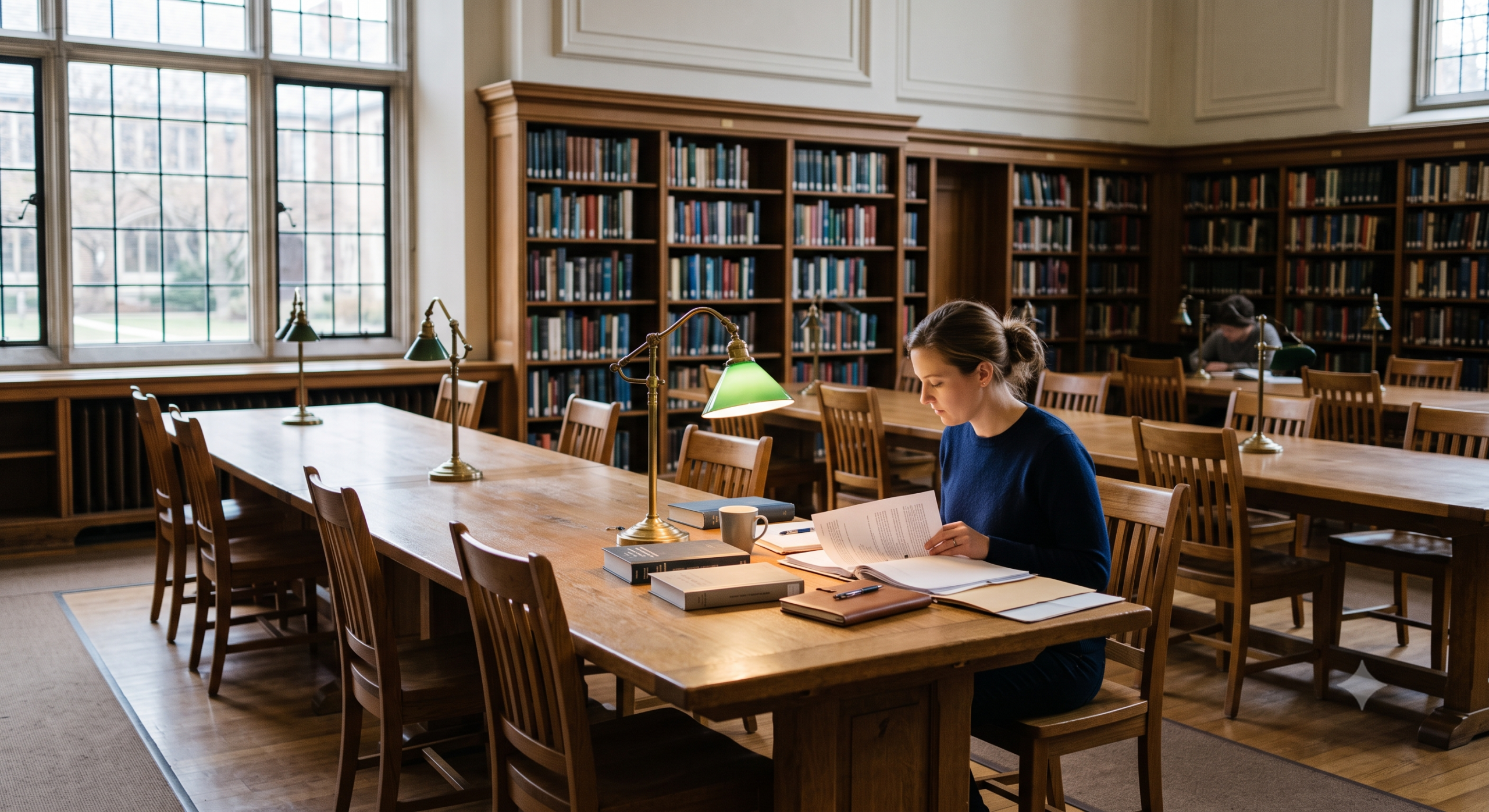
NARA’s research rooms are free and open to the public, but there’s a real process, not a walk-in-and-browse experience:
- Get a researcher card. First-time visitors need to register in person (a government-issued photo ID is required) before accessing research rooms — this is a one-time process, not required for every visit.
- Identify what you want to see in advance. Unlike a library with open stacks, NARA holdings are requested by specific record identifiers pulled from the National Archives Catalog — doing your catalog research (covered in our Reader’s Guide) before your visit saves real time on-site.
- Submit pull requests. Physical records are retrieved from storage on a schedule, not instantly — there’s typically a wait between requesting a specific item and it being available in the research room, so plan for this rather than expecting immediate access.
- Follow handling rules. Original records may have restrictions on photography, handling, or copying depending on their condition and classification history — staff on-site will explain the specific rules for what you’re viewing.
Is an In-Person Visit Actually Necessary?
Honestly, for most people researching this topic, no — the National Archives Catalog’s digitized holdings cover a substantial and growing portion of RG 615, and an online search will answer most research questions without a trip. An in-person visit becomes genuinely worthwhile if you need to examine original physical media, access materials that haven’t yet been digitized, or are doing research at a depth where seeing the unedited original record (rather than a scanned or catalogued summary) actually matters for your purpose. For casual or moderate research, the online catalog is the more practical starting point every time.
Planning the Trip
Archives II is accessible from the D.C. area, with research-room hours that are more limited than a typical library’s — checking current hours directly on the National Archives’ website before planning your visit is worth doing, since schedules can shift. If you’re traveling any real distance for this, booking nearby lodging through Hotels.com is a straightforward way to handle the logistics — College Park has hotel options within a short distance of the facility, which matters given the research room’s limited hours and the value of not losing travel time each day of a multi-day research trip.
Frequently Asked Questions
Is there a cost to access NARA research rooms?
No — research-room access is free to the public. The researcher-card registration process is also free; you’ll just need valid photo ID.
Can I request copies of records I view in person?
Generally yes, through NARA’s standard duplication services, though specifics (self-service scanning vs. requesting official copies, and any associated fees for certain formats) depend on the specific record and its condition — staff on-site can explain the applicable options for what you’re viewing.
Do I need to know exactly what I’m looking for before I go?
It’s strongly recommended. Because records are pulled by specific identifier rather than browsed openly, doing your catalog research in advance makes a real difference in how much you’re able to accomplish during research-room hours on a single visit.